The secrets of freemium models and the pitfalls of Apple/Google commissions
31 Jul 2025

Creating your first mobile app is an exciting adventure, but monetisation can quickly become a headache if you're not well informed. Discover the different monetisation strategies for your app, from the freemium model to subscriptions, and learn how to navigate the complexities of the commissions charged by Apple and Google.
Monetisation models
Freemium: this model allows you to attract a large audience by offering a free version of your app, while generating revenue from users who are willing to pay for premium features. It's a great way to maximise your user base while monetising your app. Well-known examples of apps using this model include Spotify, which offers a free version with ads and a premium version without ads, and Candy Crush, which offers in-app purchases to progress faster in the game.
Subscriptions: Subscriptions are a recurring source of revenue. Users pay a regular fee (monthly, quarterly, annually) to access exclusive content or services. This model is particularly effective for apps offering continuous services, such as streaming platforms or fitness apps. Well-known examples include Netflix, which offers a monthly subscription to access its catalogue of films and series, and Headspace, which offers a subscription to access guided meditations and exclusive content.
In-app purchases: In-app purchases allow users to buy products or services directly within your app. This can include virtual goods, feature upgrades, or physical products. Well-known examples include Fortnite, which offers in-app purchases for skins and accessories.
Apple and Google commissions
Apple and Google charge commissions on transactions made through their platforms. It is crucial to understand these commissions to avoid unpleasant surprises:
15% for the first million in revenue: for developers generating less than €1 million in annual revenue, Apple and Google charge a 15% commission on transactions.
30% above the first million: once your revenue exceeds one million euros, the commission increases to 30%.
It is important to note that these commissions mainly apply to digital subscriptions and in-app purchases. The sale of services or physical products is not subject to these commissions. (e.g. Doctolib, Nike, Blablacar, etc.)
Pitfalls to avoid
One common pitfall is using external payment systems such as Stripe for digital subscriptions. Apple and Google prohibit this practice and will penalise you. They will refuse and prohibit you from using Stripe because if you use Stripe, Apple and Google will not be able to collect their commissions.
However, Stripe can be used if you sell personal services or physical products, as these transactions are not subject to Apple and Google commissions. Make sure you understand the store rules to avoid problems.
To avoid strikes, use the native payment solutions offered by Apple (Store Kit) and Google (Google Billing). These solutions are designed to be compatible with store rules and will prevent potential problems.
Tools to simplify monetisation
To simplify subscription and in-app purchase management, several tools can be used:
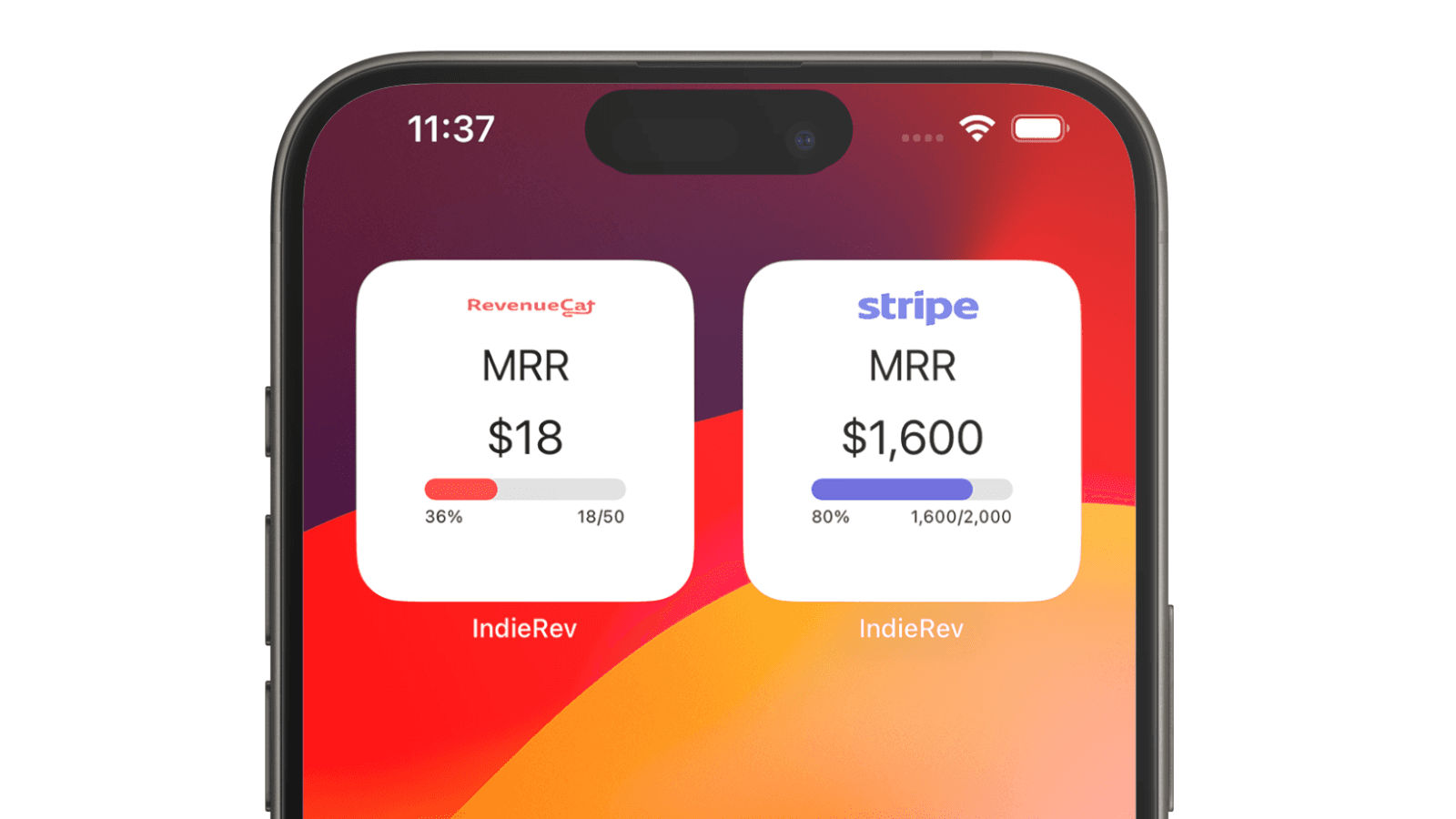
RevenuesCat (firstapp's favourite ♥️): Revenuescat is a platform that allows you to easily manage subscriptions and in-app purchases. It offers simple integration with Apple and Google's native payment solutions and provides tools to analyse the performance of your subscriptions.
Adapty: Adapty is another platform that simplifies subscription management. It offers advanced features to customise subscription offers and optimise revenue.
Superwall: Superwall is a tool that allows you to create customised paywalls for your apps. It offers predefined templates and tools to optimise the conversion of users into paying subscribers.
The importance of a payment system from the outset
Integrating a payment system at the start of your project may seem premature, but it is a crucial step in demonstrating traction and attracting investors.
Having a payment system up and running from the launch of your app shows that you are serious and ready to generate revenue. It can also help you gather valuable data on your users' purchasing behaviour, which is essential for refining your monetisation strategy.
Monetising your first mobile app can be challenging, but with the right strategies and a thorough understanding of app store rules, you can maximise your revenue while avoiding common pitfalls. Remember that Firstapp is here to support you on this journey and help you navigate the complexities of app monetisation.
By following these tips, you'll be well equipped to turn your app into a sustainable source of revenue and attract the attention of investors. Good luck on your entrepreneurial journey!
