Guide to converting downloads into paid subscriptions
31 Jul 2025

In the competitive world of mobile apps, attracting new users is only the first step. The real challenge is converting those users into loyal paying subscribers. How can you ensure that your users don't just download your app, but also become regular and engaged customers? The answer lies in targeted and timely communication. By using push notifications and personalised messages, you can not only retain your users, but also encourage them to sign up for paid subscriptions. This guide shows you how to turn your downloads into stable and sustainable revenue.
Organise messages around cohorts of days
When a user installs your app, they join a cohort, a group defined by the number of days since installation. Tracking and sending messages based on these cohorts allows you to predict user behaviour and optimise communication at key moments to generate revenue. Successful subscription teams use this model:
Period | Goal |
|---|---|
Days 0–3 | Activation and integration |
Days 3-7 | Early engagement and value enhancement |
Days 7-30 | Expansion and upselling |
Days 30+ | Re-engagement and rescue of at-risk users |
The timing of the cohorts tells you when to act, and the message allows you to convert that moment into revenue.
The first three days: capturing users' interest
The first three days after installation are crucial. Studies show that an app loses an average of 75% of its users after the first day. This initial period is your best opportunity to engage users and show them the value of your app.
Customise onboarding with progressive profiling: Avoid overwhelming new users with overly long forms. Prioritise progressive profiling: Collect essential information at the beginning and request additional details as users interact with the app. For example, a financial management app could start by asking for basic financial goals and then gradually introduce more detailed options.
Use dynamic content based on geolocation or device: personalise onboarding experiences and initial push notifications based on the user's location, language or device type. For example, display region-specific promotions or tailor onboarding flows based on the user's time zone.
Encourage account completion: Guide users through onboarding checklists, push notifications, or in-app prompts to encourage them to complete their profile, connect to services, or set their preferences. Users who complete their account setup are twice as likely to interact with push notifications and remain active in your app.
Continuous A/B testing of payment screens: Payment screens are the most impactful screens in your app. Small changes can have a significant impact on conversion rates. Test different layouts, messages, and visual elements to identify what drives users to convert. For example, a reading app could compare two versions of a payment screen, generating a significant increase in annual subscription revenue.
Days 3–7: Reinforce value and generate subscriptions
By the third day, users have generally decided whether to stay or leave. This period is crucial for converting visitors into buyers.
Engage users with behaviour-based push notifications: track user actions and send personalised push notifications. Personalised notifications can double open rates compared to generic messages.
Recover abandoned subscriptions: target users who have opened your subscription page but have not completed their purchase. A tailored push notification, sent at the right time, can encourage them to complete their subscription.
Rescue trial users before they abandon: offer them an extended trial to give them more time to enjoy premium features, or remind them what they will lose by cancelling their subscription.
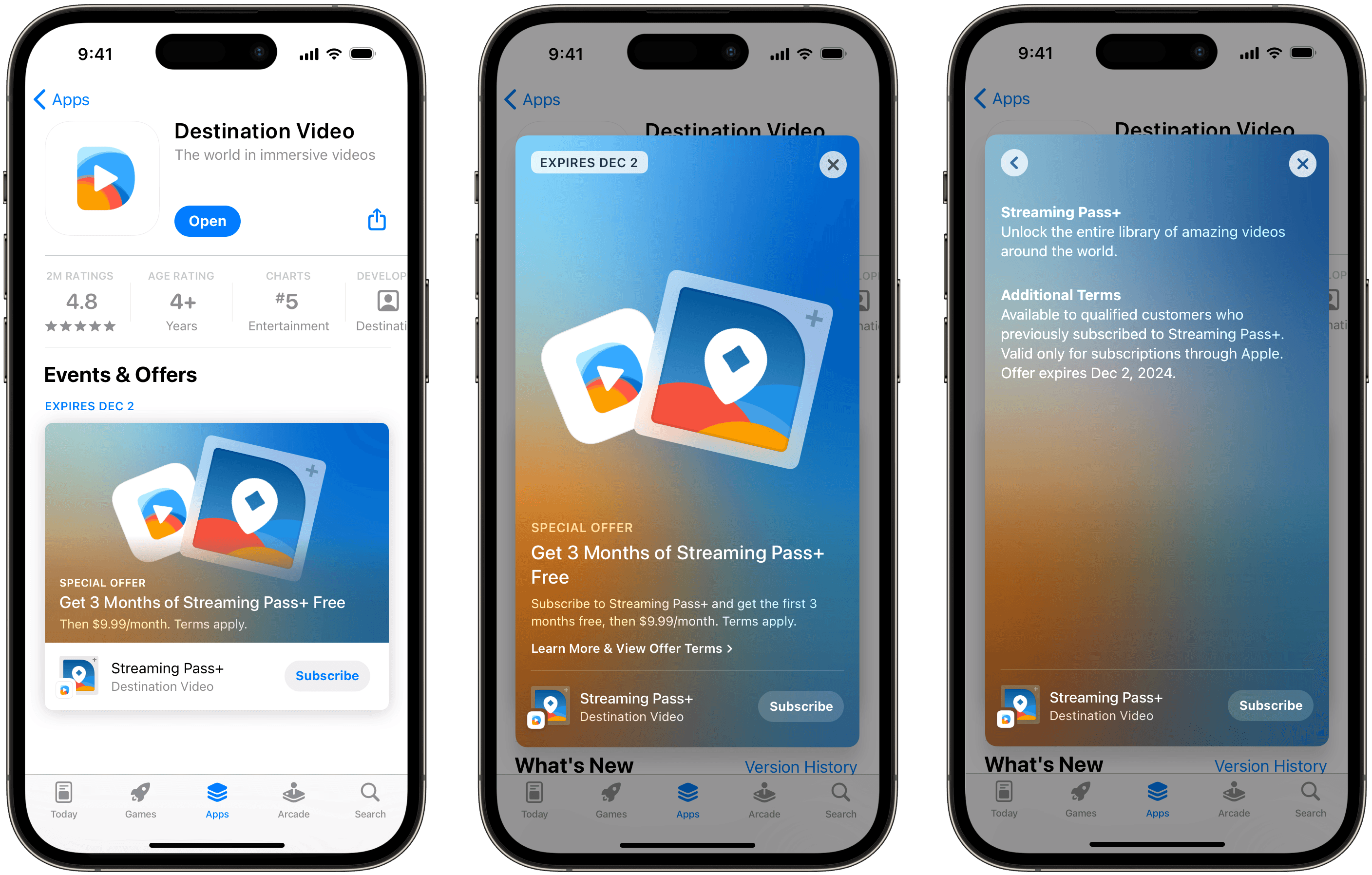
Days 7–30: Convert engaged users into subscribers
Users who remain engaged beyond the seventh day are ready for upselling. Through a combination of push notifications, in-app offers, and flexible subscription options, this phase becomes a turning point for revenue growth.
Tactics to encourage upgrades: Offer users the ability to personalise their experience. Users who personalise your app are more likely to remain loyal and upgrade to a premium offering.
Generate revenue through in-app messages: An in-app message, published at the right time, can explain to users the additional benefits of a premium subscription.
Offer flexible subscription tiers: Attract more customers by offering them step-by-step upgrade options. Introducing non-standard plans, such as quarterly or half-yearly packages, can significantly increase average revenue per user (ARPU) on mobile subscription apps.
Increase revenue through referral programmes: turn satisfied users into brand ambassadors. By integrating referral mechanisms, subscription apps can leverage word-of-mouth marketing, leading to increased engagement and revenue growth.
Days 30+: extending re-engagement
Encourage paying users to invest in more expensive plans: convert monthly subscribers into long-term subscribers. A wellness app could target highly engaged monthly users with personalised automated messages.
Recover users lost due to payment failures: send payment failure alerts with an option to retry immediately. This approach allows you to recover failed payments and reinforce the perceived value of maintaining the subscription.
Combat voluntary unsubscriptions via email: when a customer voluntarily cancels their subscription, email becomes your best opportunity to continue the conversation. A well-structured email can reveal the reason for the cancellation and offer an incentive for the user to stay.
Let's get to work!
